Forging vs Casting: What’s The Difference?
What is Forging?
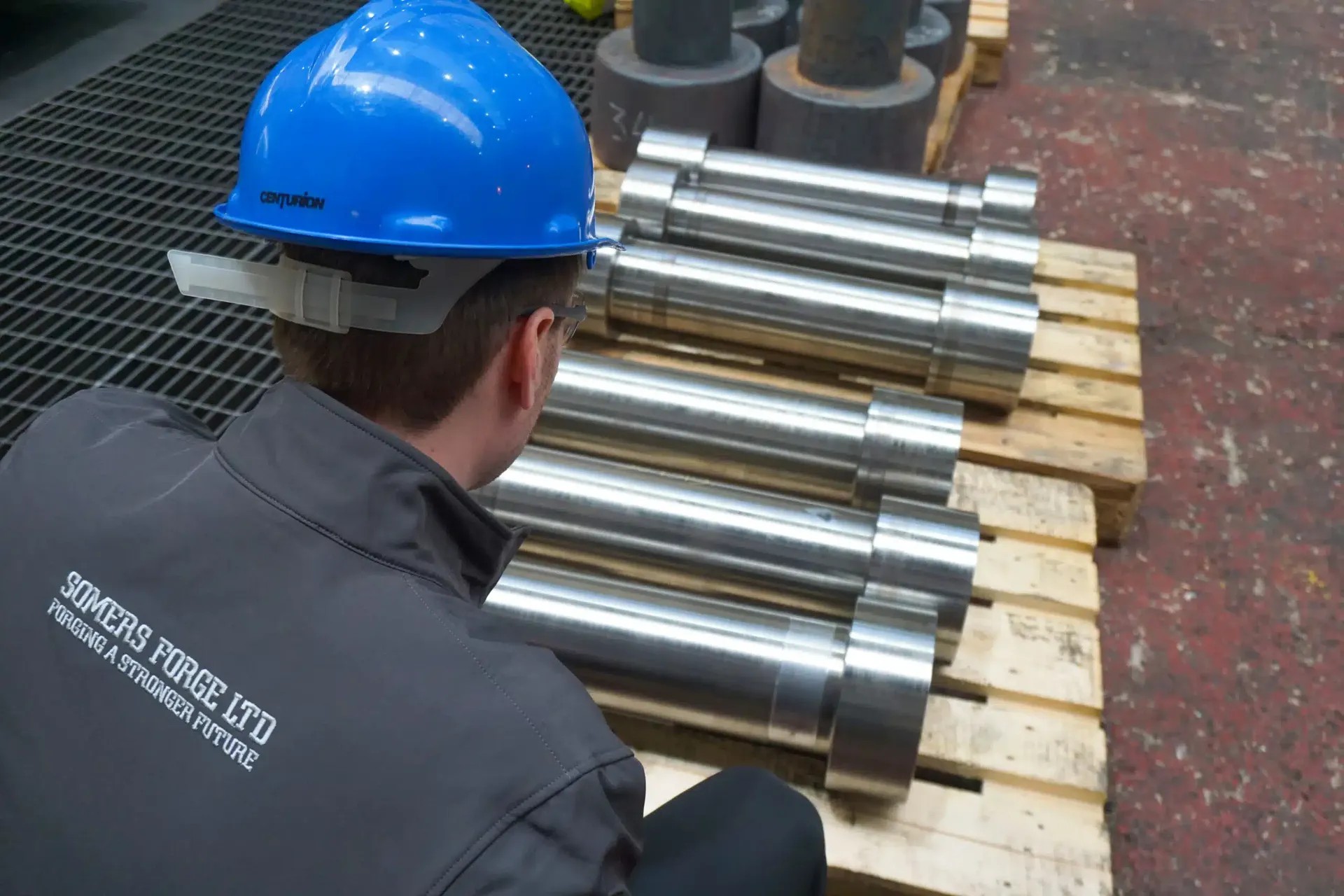
Forging is one of the oldest, most trusted methods of metal manufacturing, dating back centuries. Known historically as blacksmithing, forging is the shaping of metal using extreme heat and forging dies, also known as tools. Here’s how it works:
The Forging Process
A solid metal workpiece, typically steel, is subjected to high temperatures, which makes the metal malleable. Once softened, the workpiece is then re-shaped using compressive force, typically applied using hammers and dies. This process is then repeated until the workpiece takes the desired shape.
There are several types of forging, including:
- Open die forging: This method gets its name from the open nature of the die, which does not fully enclose the workpiece. This method can save on upfront costs by eliminating the need for dedicated dies. It’s ideal for low-volume production and for crafting shapes like shafts, rings, and cylinders. Best option for superior grain flow and enhanced fatigue resistance.
- Closed die forging: As you might guess, this method involves closed or semi-closed dies where the workpiece is encased and compressed to produce the desired shape. This method is more suited to less critical parts with higher volume production runs, and for producing complex components.
- Cold forging: This method involves shaping metal at, or near, room temperature without the need for heating. This method uses high pressure to deform the metal in closed or semi-closed dies, allowing for the production of more precise components.
Forging is a highly sought after solution because of the way it aligns and refines the grain structure of the workpiece. This produces metal parts that are far superior in strength and durability when compared to cast parts.
What is Casting?
Casting is a lucrative metalworking process due to its cost-effectiveness for a number of global industries, most notably the automotive sector. This is because casting allows for the production of complex shapes and geometries, with greater capacity for undercuts and other decorative/aesthetic features.
Casting differs significantly from forging as it does not use a solid metal workpiece. Rather than softening a workpiece and reshaping using compressive force, the metal is instead melted down and solidified into a desired shape. Here’s how it works:
The Casting Process
Metal is heated to its melting point until it turns into a liquid (molten state). The liquid metal is then accurately poured into pre-prepared moulds. Here, the metal cools and solidifies into the shape dictated by the outline of the mould, producing the metal component.
This process allows for greater complexity and detail in the shape of the part. However, it fails to produce components of the same strength and fatigue resistance as forged parts, as the internal grain structure is weaker and more liable to shrinking and cracking.
Forged Vs Cast Parts: Key Advantages
Advantages of Forged Parts
- Improved Grain Flow – The grain structure of forged parts provides directional strength, meaning better performance in high temperature and high-stress environments.
- Better fatigue resistance – Can endure high levels of stress and is more impact resistant.
- Highly Durable – The grain structure alignment means increased resistance to wear, extending the lifespan of the component.
- Minimal Shrinkage – Less cracks and voids, meaning reduced risk of shrinkage and porosity over time.
- Cheaper for long runs – More economical for high volume production runs when compared to the cost of producing many different casting moulds.
Disadvantages of Forging
- Higher initial tooling costs
- Less suited for complex or hollow shapes.
- Typically entails longer set up and production time.
- Limited range of metals can be used.
- Requires additional machining to achieve required level of detail.
Advantages of Cast Parts
- Complexity – Can produce complex or detailed components more easily with tighter tolerances.
- Near-net shape – Often requires less machining than forged parts, saving time on production.
- Scalable – Remains cost-effective for components of various sizes.
- Cheaper for short-runs – More economical for low-volume production runs when compared to the initial high cost of forging dies.
- Versatile – Can be carried out using a wide array of metals.
Disadvantages of Casting
- Higher porosity – More prone to shrinking and cracking over time.
- Weaker grain structure – Not as strong or high performing as forged parts.
- Less fatigue resistant – More prone to impact damage and shattering.
- Lower dimensional accuracy – Especially in sand casting or other less precise processes.
- Higher tooling costs for long production runs.
- Higher material wastage (depending on the method chosen).
Contact Somers Forge for Forged Parts Today
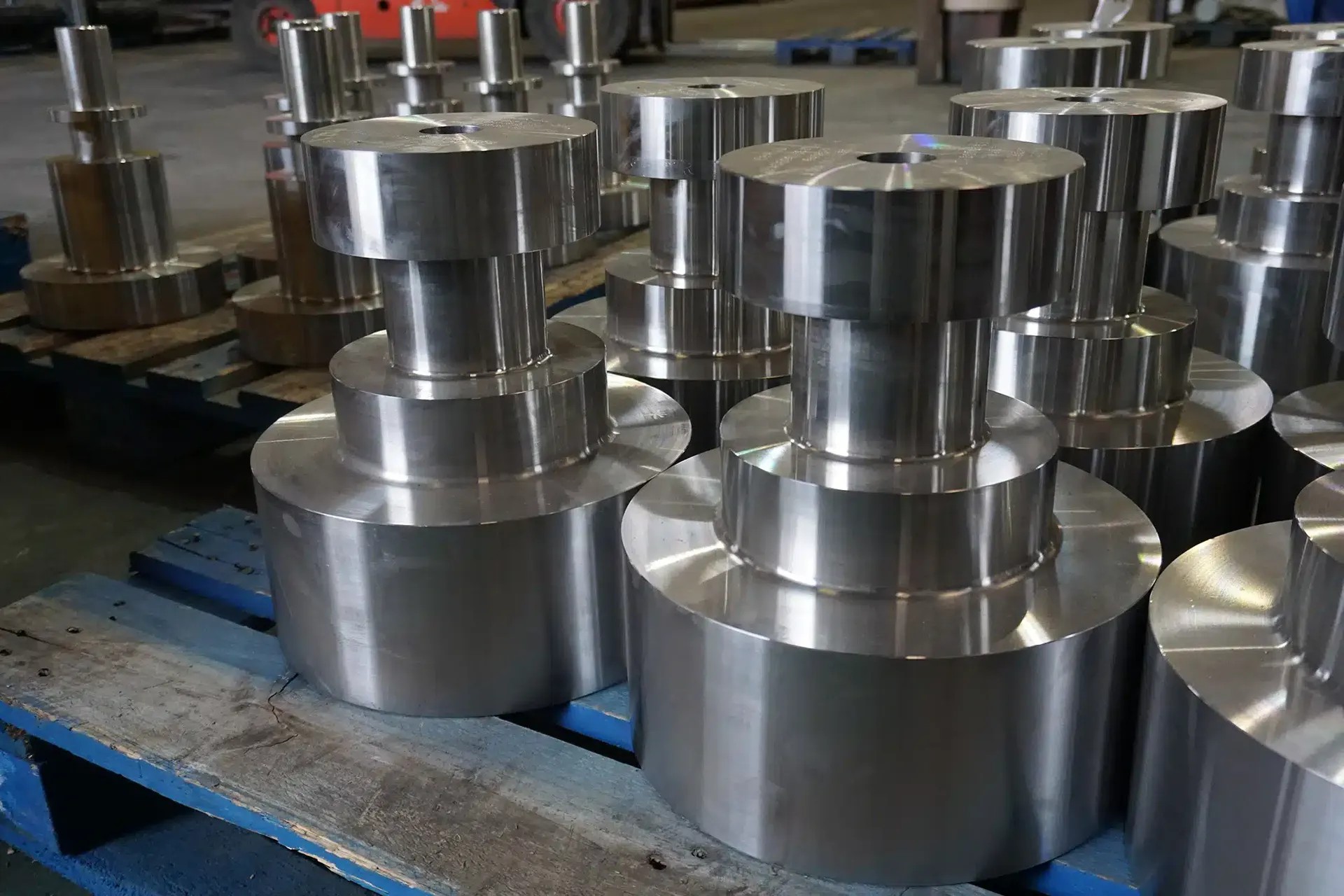
So, if you’re looking for metal components that deliver on strength, reliability and high performance, open die forging is your answer.
For the best forged parts that won’t let you down, get in contact with Somers Forge today. With over 150 years of forging expertise, we’re experts at producing strong, durable, and fatigue-resistant forged parts for a wide range of critical applications.
We deliver high-performance forged components to some of the most demanding industries in the world, including Defence, Oil & Gas, Mining, Aerospace, Marine and more. We can even provide custom-made components tailored specifically around your business needs.
Contact Somers Forge today and see how a global forging powerhouse can elevate your next project with expert forged solutions.
Forging | Forged Valves vs Cast Valves | Machined Forgings | Hydraulic Press Forgings
