Open die forging is poised to be at the forefront of this global shift. This is because the open die forging manufacturing method equips metal components with all the properties they need to perform well in harsh weather conditions.
Here at Somers Forge, we are a global leader in open die forging solutions for the renewable energy sector. We specialise in the production of everything from turbine shafts and rotor shafts to valve bodies and gearboxes.
Our forging process ensures that each of the products that leaves our facility possesses the necessary strength and fatigue resistance for application within the sustainable power generation sector.
In this article, we will break down why open die forging is so important for the future of the world’s clean energy initiatives, and how Somers Forge can help elevate your next renewables project with expert open die forged solutions.
The Global Shift to Renewable Energy Production
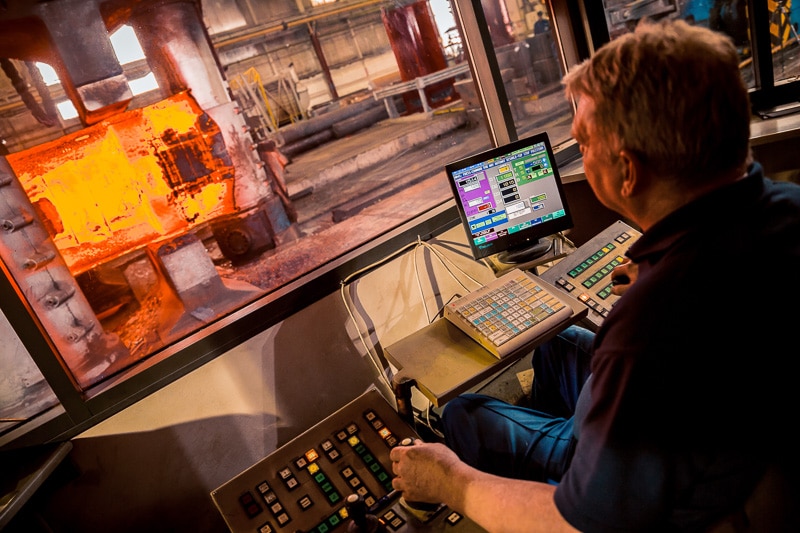
In the UK, renewables are projected to account for 42% of the country’s energy production by the end of 2025, with solar and wind power generation leading the charge.
Meanwhile, global public and private investment in renewable energy reached record levels in 2024, exceeding $3 trillion.
This surge in global investment is being fuelled by clean energy initiatives on the part of both governments and corporations, who are seeking to cut back their reliance on fossil fuels.
This global shift towards renewables has, in turn, fuelled demand for large, high strength metal components capable of performing reliably in demanding conditions.
For example, the electric power forging market is expected to grow from USD 5 billion in 2025 to around USD 8.5 billion in 2023. This expansion is largely driven by the need for custom components that are essential for renewable power generation, including wind turbines and solar-powered systems.
What Open Die Forgings are used In the Renewable Energy Sector?
Open die forgings are critical in producing a wide range of components for the renewable energy sector. These include:
- Wind Turbines: Forged rotor shafts, discs, hubs, and flanges for both onshore and offshore wind turbines.
- Generators: High strength generator shafts and housings.
- Gear Components: Gears, gear blanks, and turbine gearboxes essential for power transmission.
- Thermal Management Systems: Heat exchangers and blower components for efficient energy systems.
- Energy Plants: Corrosion resistant components for geothermal turbines, as well as hydroelectric penstocks, biomass boiler pressure vessels etc.
The global wind turbine forging market alone is expected to nearly double over the next decade, rising from USD 10.3 billion to USD 20.8 billion.
Open die forging is projected to account for 48.9% of this market revenue, far surpassing closed die forging, which accounts for only 18.1%.
These figures underscore the centrality of open die forging to the growth of the renewable energy sector, and its superiority to alternative manufacturing methods like closed die forging.
But why is this the case? To understand why open die forging is so preferred, it’s first necessary to understand the unique challenges posed by renewable energy environments.
Environmental Challenges of the Renewable Energy Sector
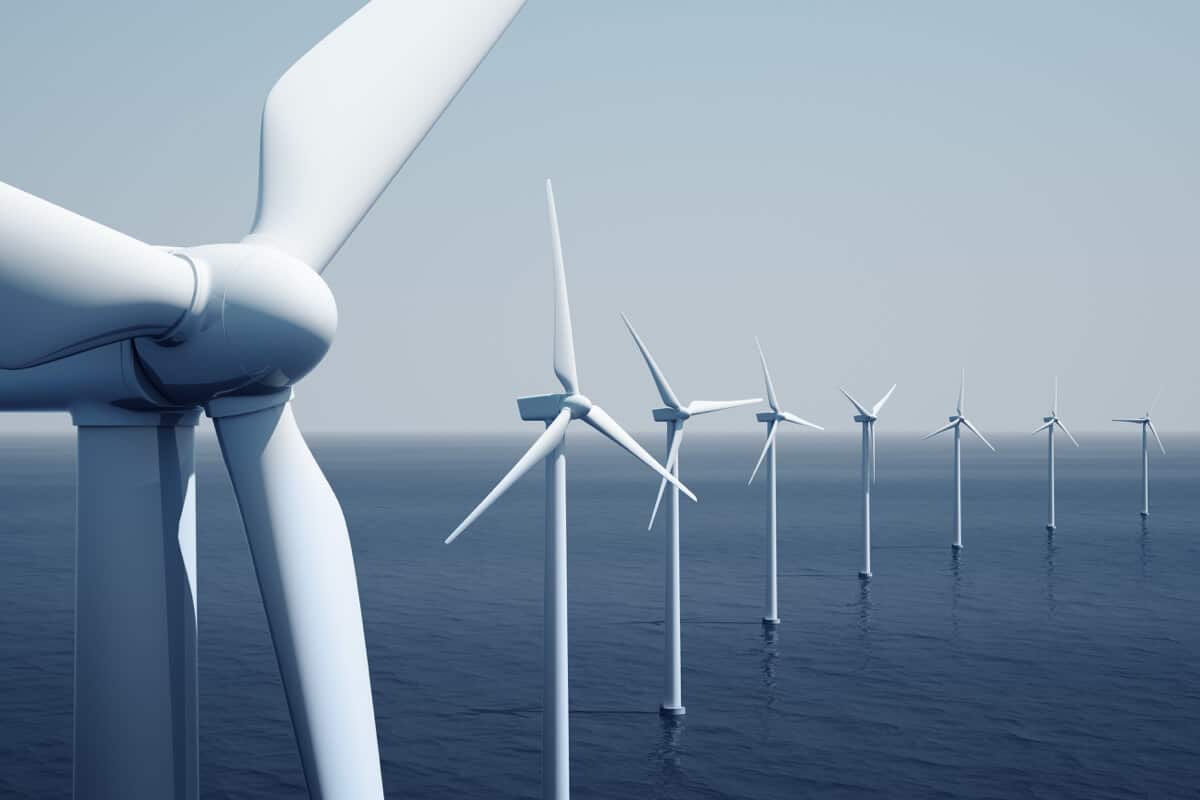
The renewable energy sector poses unique challenges to the performance and longevity of metal components. This is because often, such components are routinely exposed to harsh environmental conditions. These include:
Seawater Corrosion:
Offshore wind farms and other marine power generators are at risk of corrosion over time due to constant seawater exposure.
Fatigue from High Winds and Wave Loads:
Turbines and offshore structures experience constant stress in the form of wind gusts and wave motion. This can cause metal to fatigue over time.
Impact and Abrasion:
Marine turbines and other components may be exposed to floating debris or tools during maintenance, which can cause localised damage.
Extreme Temperatures:
Some renewable energy environments, for example, offshore locations or desert solar farms, may experience extreme temperatures or rapid temperature changes that put components under significant pressure, potentially leading to breakdowns and failures.
Structural Load Demands:
Large-scale renewable energy components must also bear immense static and dynamic loads, such as the rotor hub of a wind turbine, making high strength essential.
How Open Die Forging Mitigates These Environmental Challenges
Open die forging is so popular amongst the renewables sector as it allows for the production of metal components designed to withstand such harsh environmental conditions.
Here at Somers Forge, our open die forged components are engineered to stand up to wear and corrosion, ensuring reliable performance over time.
Here’s why open die forging is the preferred manufacturing method amongst the renewables sector:
Ideal for Large Yet Complex Shapes
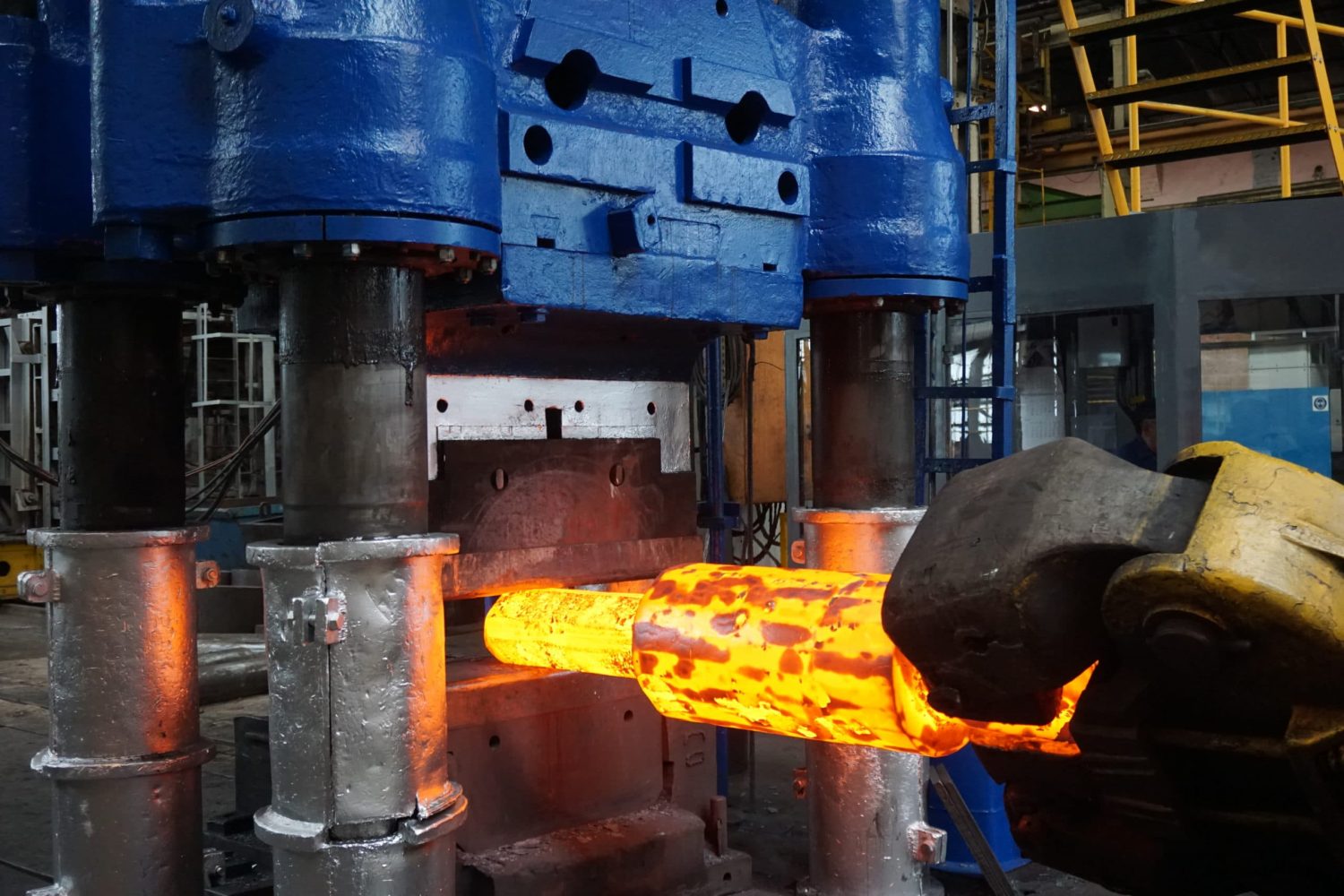
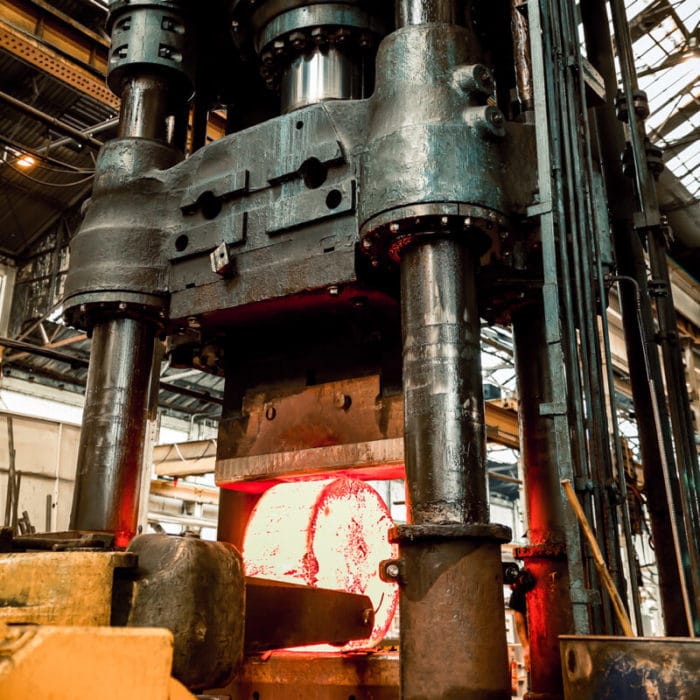
Unlike closed die forging, which encases the metal workpiece in a die to achieve the final shape, open die forging uses more ‘open’ dies, where the workpiece is not fully enclosed.
This allows for more ‘open’ shaping of the metal. It involves repeatedly pressing and hammering the workpiece into the desired shape by skilled operators. This method of metal manufacturing allows for greater control over the metal deformation process, enabling the forgemasters to create large components with high levels of detail.
Open die forging is therefore preferred by the renewables sector as it allows for the production of exceptionally large, yet still intricate components, which are required for use in the renewables sector, such as large turbine shafts and rotor shafts. To create such components using closed die forging would be too impractical and costly.
Superior Strength:
During the open die forging process, the grain structure of the metal workpiece also becomes more refined. This method allows for greater directional grain flow when compared to closed die methods, resulting in a component that boasts superior strength.
This gives components like turbine shafts and hubs, made from open die methods. the strength and durability they need to perform well in challenging conditions. This, in turn, ensures they can handle heavy loads and impacts from wind and wave forces in renewable energy applications.
Enhanced Fatigue Resistance:
The open die forging process also produces dense, uniform grains that improves fatigue resistance. Compared to closed die forging, open die forged components are therefore less prone to microstructural weaknesses, allowing them to endure the constant stresses from gusty winds or rotating machinery over time.
Impact and Abrasion Toughness:
Open die forged components are crafted for superior toughness. They do better at resisting surface damage and cracks because the metal is not fully confined during the forging process, ensuring the grain structure remains continuous.
This gives metal components destined for the renewables sector the resilience they need to withstand shocks and impact blows.
Thermal Stability:
Open die forging also improves thermal stability because the process produces a more uniform and continuous grain structure with fewer internal stresses. Since the metal is not confined to a closed cavity, it can expand and contract naturally during forging. This reduces the buildup of residual stresses that would otherwise distort or weaken the material when exposed to temperature changes.
When combined with controlled heat treatment, the forged microstructure is refined into smaller, more stable grains. This prevents brittleness and minimises dimensional changes during heating and cooling cycles, whether its scorching hot solar farms or freezing offshore wind farms.
Reduced Voids and Defects:
Open die forging also enhances a component’s natural resistance to corrosion. The forging process compacts the metal, closing up pores and reducing segregation that could otherwise act as initiation sites for corrosion. This results in a dense, homogeneous structure with fewer pathways for moisture, salt, or chemicals to penetrate.
By minimising porosity and defects, open die forged parts are ideal for offshore environments where there is a high risk of seawater corrosion.
By effectively mitigating the specific environmental challenges of the renewable energy sector, open die forging continues to stand out as the metal manufacturing method of choice for organisations in the renewables sector.
How Somers Forge is Meeting Global Demand for Renewable Energy Components
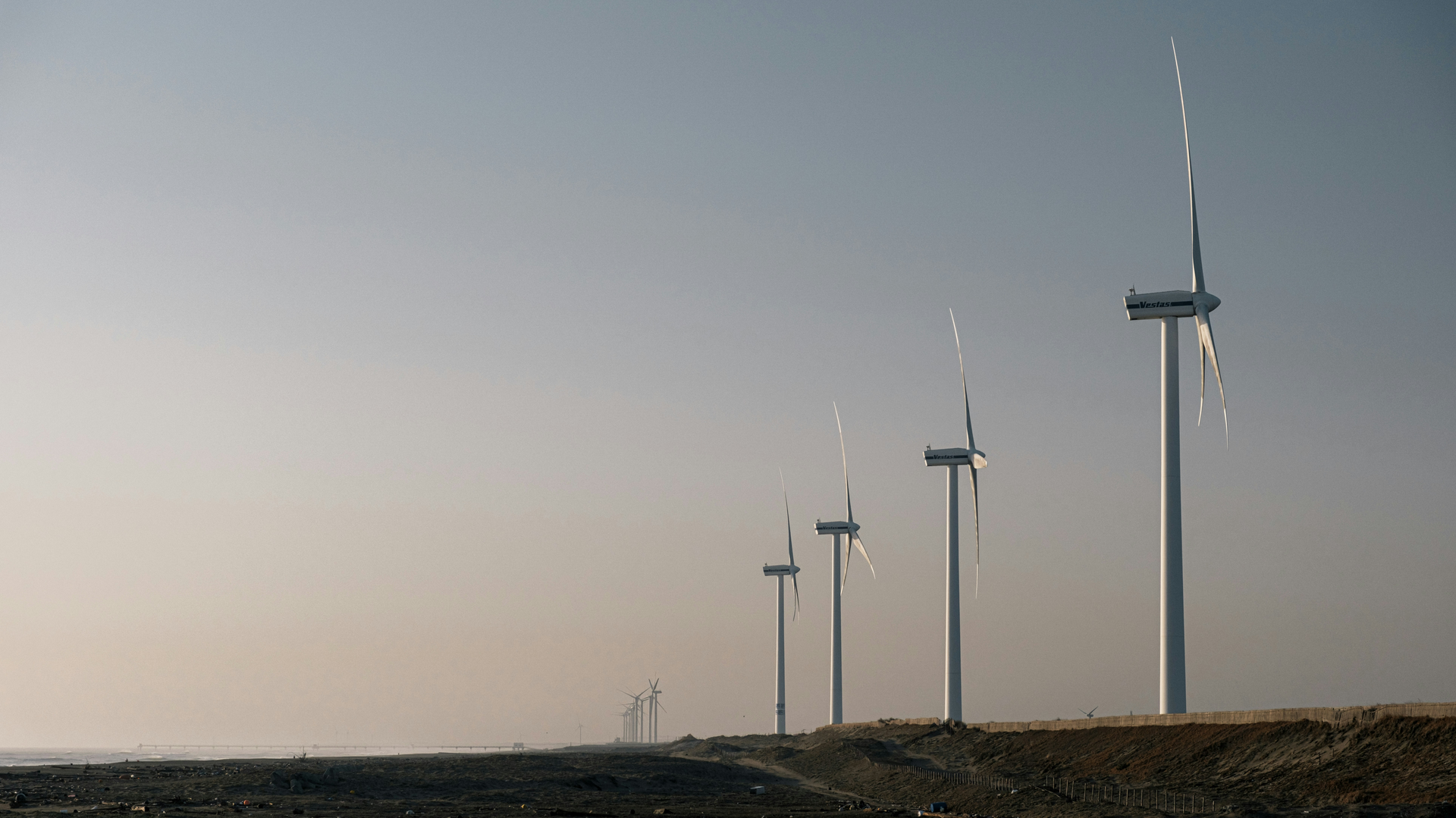
Here at Somers Forge, we are rising to meet the global demand for high strength, high performance metal components through our industry leading open die forging solutions.
Here’s how Somers Forge can elevate your next renewable energy project:
Component Size and Weight:
Because of our use of large ‘open’ dies, we are capable of producing exceptionally large components up to 23 metres in length, with weights ranging from 1 kg to over 60 tonnes.
This has helped us to become a leading global supplier of rotor shafts, turbine shafts, and other large components ready for application in the renewables sector.
Advanced Forging & Skilled Operators:
We heat our metals between 1200 and 1280 °C and shape the workpiece gradually. This helps us to achieve the best grain flow possible for our metal components, with superior strength and fatigue resistance when compared to closed die methods.
Our skilled operators carefully control each stage of the production process, making sure each part meets exact specifications. The result is a component that’s strong, durable, and ready to perform in demanding conditions.
Material Versatility:
We can work with all sorts of metals, alloy steel, nickel alloys, titanium, and more. Depending on what the customer needs, our metallurgists can advise on the right material for your part.
In-House Heat Treatment:
Once forged, we heat treat the metal in house to refine its structure. This makes it stronger, more resistant to fatigue, and ensures it will last longer, even under harsh environmental conditions.
State of the Art Machining:
We also have advanced machining centres that let us deliver parts pre-machined or fully finished, ensuring they are ready for installation as soon as they leave our facility.
Comprehensive Quality Assurance:
Every single component is tested and inspected according to British, European, ASTM, and third-party standards. That way, our customers know that they are receiving components that are reliable and built to last.
Custom Runs:
Because open die forging is suited for the production of large, custom components, Somers Forge are just as capable of supplying bespoke, one-off pieces according to exact specifications. Whether it’s a batch of intricate valve bodies, or a large, one-off rotor shaft design, we have the expertise to make it work.
Open Die Forging & The Future of Renewables: Final Thoughts
As the demand for cleaner, more renewable energy sources rises globally, the demand for high strength, high performance metal components rises with it.
This is where open die forging continues to stand out as the metal manufacturing method of choice for the renewables sector.
As reflected in its projected market share value in wind turbine forging, open die forging looks set to become even more central to the future of the world’s renewable energy projects.
From offshore wind farms to expansive solar farms, components in the renewables sector must resist corrosion, fatigue, impact, and extreme temperatures while maintaining high levels of performance.
Here at Somers Forge, each of our open die forged products are engineered to meet these exacting requirements.
Our advanced open die forging techniques, in-house heat treatment, and rigorous quality assurance ensure that we can deliver the high-strength components that are tailored to the unique challenges of the renewables industry.
Get in touch with a global leader in open die forged solutions today, and find out how we can elevate your next renewables project with an unwavering commitment to quality and professionalism.
